
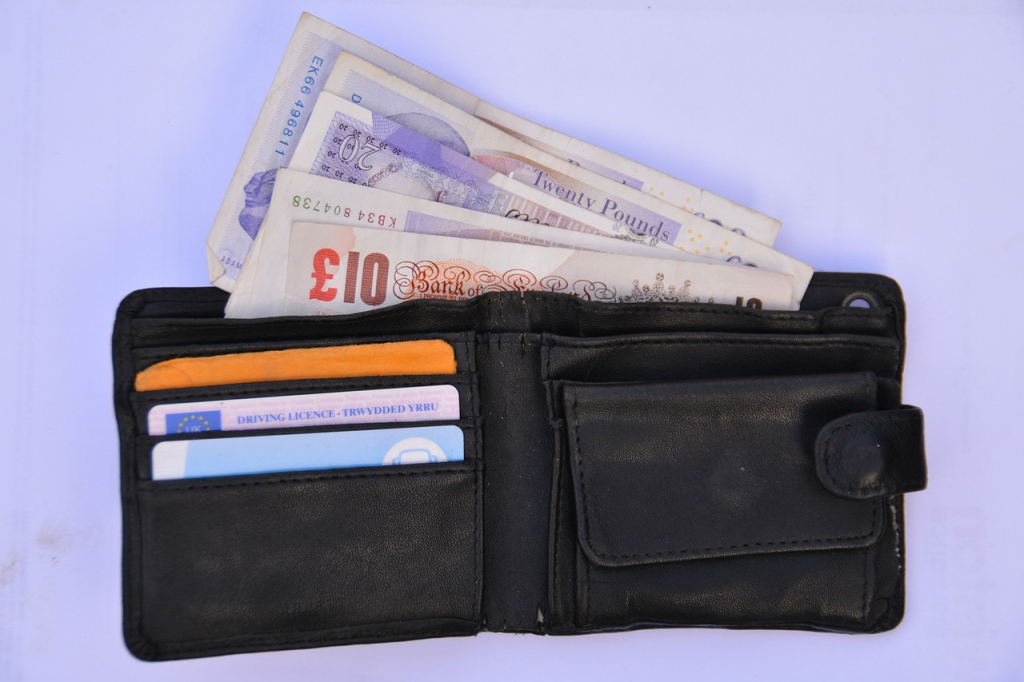
In an age dominated by digital wallets and seamless transactions, Gen Z is turning back the clock to embrace cash stuffing, a budgeting method rooted in the principles of envelope budgeting. This revival reflects a desire for tangible financial management, offering a hands-on approach to personal finance. By understanding the allure of cash stuffing, we can explore how this generation harnesses modern tools and techniques to take control of their finances. As they navigate the complexities of today’s economy, Gen Z is redefining budgeting, making it both practical and visually engaging.
Understanding Cash Stuffing and Its Origins

Cash stuffing, also known as envelope budgeting, is a budgeting method that has gained renewed interest, particularly among Gen Z. This practice involves allocating physical cash into designated envelopes for specific spending categories, such as groceries, entertainment, and savings.
Origins and Evolution:
- Historical Roots: The technique dates back to the 1900s when families used cash as their primary form of budgeting. People would use envelopes to manage household expenses effectively.
- Digital Shift: With the rise of credit cards and online banking, many abandoned cash stuffing in favor of digital methods. However, financial instability and rising costs have prompted a nostalgic return.
Why It’s Making a Comeback:
- Tangible Control: Handling cash allows individuals to see and feel their spending limits, making it easier to stick to budgets.
- Mindful Spending: Cash limits spending urges, as running out of cash in an envelope means stopping until the next budgeting cycle.
- Customization: Users can tailor envelopes to fit their unique financial situations, ensuring a more personalized approach.
In essence, cash stuffing blends traditional budgeting wisdom with modern financial challenges, making it appealing to today’s young adults.
The Appeal of Envelope Budgeting for Gen Z
Gen Z is embracing cash stuffing for several compelling reasons, making it a popular budgeting method. Here’s why this generation finds envelope budgeting so appealing:
- Tangible Control: Using physical cash offers a direct connection to spending. When you see money leaving your envelope, you feel its impact immediately.
- Minimized Overspending: Setting aside specific amounts for categories like groceries and entertainment discourages excessive spending. Once the envelope is empty, you know it’s time to stop.
- Simplicity: Cash stuffing simplifies budgeting, eliminating complex apps and tracking. Gen Z appreciates straightforward methods that don’t overwhelm them.
- Financial Awareness: Handling cash promotes awareness of financial habits. It encourages users to think critically about their purchases and prioritize essential expenses.
- Customization: Gen Z loves personalization. They can design their envelopes or use themed cash-storing systems, making budgeting feel more personal and fun.
Incorporating these aspects allows Gen Z not just to manage money, but to enjoy the process of budgeting, transforming what once felt like a chore into a creative and engaging activity.
Modern Tools and Techniques for Cash Stuffing
As Gen Z embraces cash stuffing, they blend traditional methods with modern technology. Here are some innovative tools and techniques that make cash stuffing more manageable and accessible:
- Digital Envelope Apps: Applications like GoodBudget and Mvelope digitize the envelope system, allowing users to allocate funds virtually, track spending, and receive notifications when approaching budget limits.
- Physical Custom Envelopes: Personalized envelopes can enhance your budgeting experience. Use decorative designs to motivate you, labeling each envelope by category such as groceries, entertainment, or savings.
- Cashless Techniques: While cash stuffing traditionally involves physical cash, consider setting up direct transfers to specific savings accounts for categories that don’t require cash handling, making budgeting seamless.
- Visual Aids: Use charts or graphs to visualize spending habits and goals. This helps you stay motivated and accountable toward meeting your financial objectives.
By incorporating these modern tools, Gen Z can efficiently navigate cash stuffing while maintaining the essence of envelope budgeting.
Tips for Successfully Implementing Cash Stuffing 2.0
To thrive in cash stuffing, particularly for Gen Z, consider these practical tips:
- Set Clear Goals: Identify your financial objectives. Whether it’s saving for a vacation or paying off a student loan, knowing your purpose will help you stay focused.
- Choose the Right Envelopes: Use colorful and labeled envelopes for different spending categories (e.g., groceries, entertainment, and transportation). This visual organization adds clarity and excitement to budgeting.
- Allocate a Budget: Determine how much cash to put in each envelope monthly. Stick to this budget to control spending and avoid impulse buys.
- Track Your Expenses: Maintain a spending journal or an app to monitor your cash usage. Regularly reviewing it helps you stay accountable.
- Be Flexible: Life is unpredictable, so adjust envelope amounts as needed. For instance, if you overspend in one category, reallocate funds from another.
By following these tips, you’ll maximize the benefits of cash stuffing while enjoying the process of budgeting and financial responsibility.
Frequently Asked Questions
What is cash stuffing and how does it work?
Cash stuffing is a budgeting method that involves allocating physical cash into envelopes designated for specific expenses, such as groceries, entertainment, and savings. Each envelope contains a set amount of cash that represents your budget for that category. Once the cash in an envelope is spent, you cannot use more money for that category, encouraging you to stick to your budget. This method fosters discipline and helps individuals visually see their spending limits.
Why has cash stuffing become popular among Gen Z?
Gen Z has embraced cash stuffing due to a growing desire for tangible financial management. With financial literacy becoming more prioritized in this generation, many are seeking methods to control spending and avoid debt, especially in a world dominated by digital transactions. Cash stuffing offers a hands-on approach that can reduce impulse purchases and fosters a stronger connection to money, making budgeting feel more empowering and achievable compared to traditional digital budgeting methods.
What are the benefits of using cash stuffing over digital budgeting apps?
While digital budgeting apps provide convenience, cash stuffing offers unique benefits that resonate with many users. Physical cash allows users to experience a more tactile and tangible relationship with their money, which can enhance mindful spending behavior. Additionally, the tangible envelopes serve as constant reminders of spending limits, unlike digital notifications that can be easily ignored. This method also eliminates the temptation to overspend that can occur when using credit cards or digital wallets.
Can cash stuffing be adapted for varying income levels and financial goals?
Absolutely! Cash stuffing is a highly customizable budgeting technique that can be adapted to fit various income levels and financial objectives. Individuals can determine how much cash to allocate to each envelope based on their personal financial situation and priorities, such as saving for a vacation or paying off debt. Whether someone has a steady income or is a freelancer with variable earnings, cash stuffing can be adjusted to ensure that it remains effective and relevant to different lifestyles.


Comments are closed.