

Creating a sustainable monthly budget is essential for achieving financial stability and reaching your personal goals. By understanding the basics of budgeting, you can take control of your finances while ensuring that your plan aligns with your lifestyle and values. Identifying your income and expenses will form the foundation of your budget, enabling you to set realistic financial goals. Furthermore, monitoring and regularly adjusting your budget will help you stay on track and adapt to any changes in your circumstances. Embrace the journey toward financial health and discover how to create a budget that truly works for you.
Understanding the Basics of a Sustainable Budget
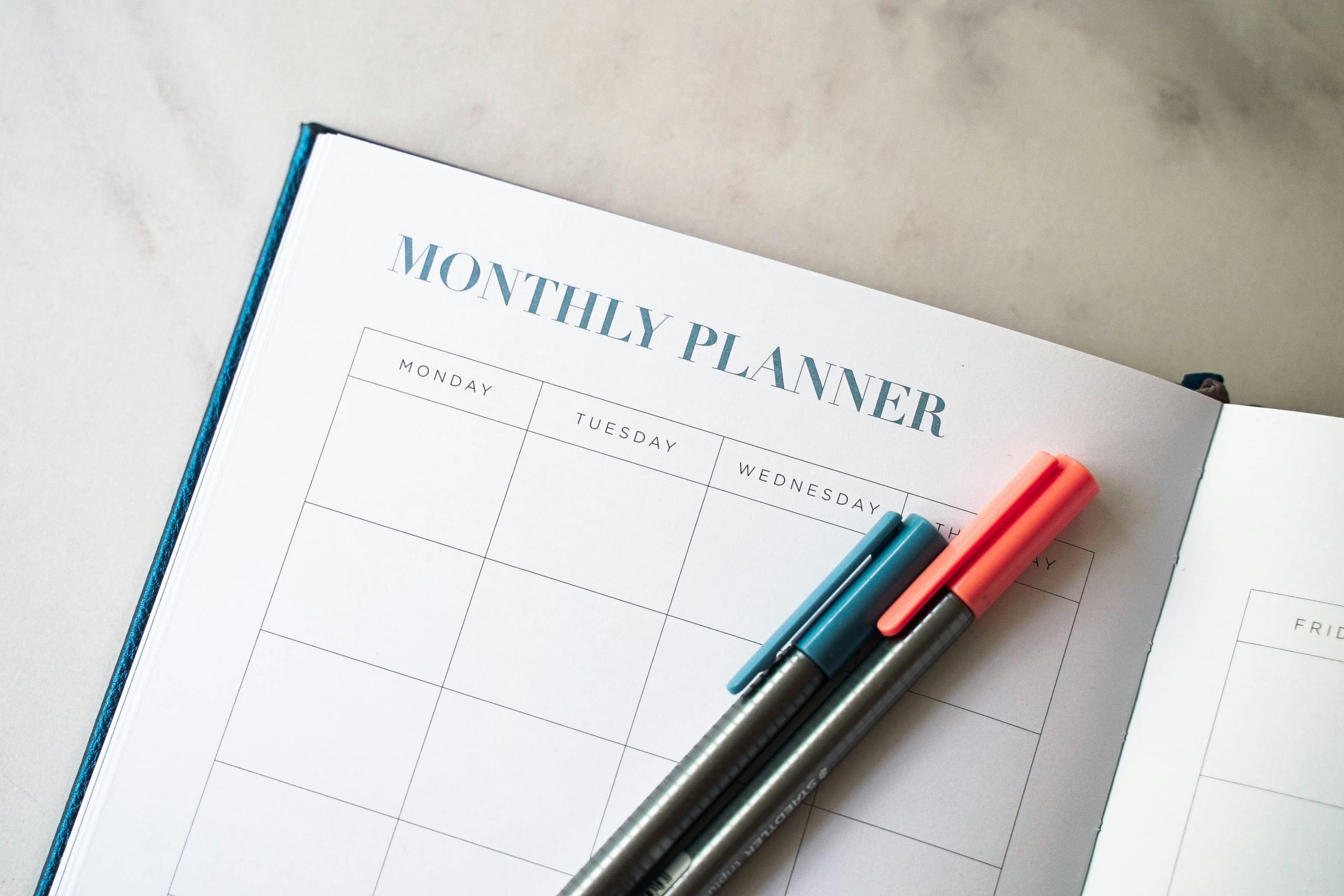
Creating a sustainable monthly budget involves understanding its core components and how they interact. Here are the basic elements to consider:
- Income: Include all sources of money, such as salary, freelance work, or passive income. Be honest about your monthly earnings to set accurate limits.
- Expenses: Categorize your expenses into fixed (rent, mortgage, car payments) and variable (groceries, entertainment, dining out). Tracking these helps reveal spending habits.
- Savings: Aim to allocate a portion of your income towards savings. Building an emergency fund should be a priority, ideally covering three to six months of living expenses.
- Debt Repayment: Factor in any debts you have. Plan to make consistent payments to reduce interest over time.
When you balance these elements, you create a budget that reflects your financial reality and supports your long-term goals. Remember, a sustainable budget isn’t just about cutting expenses; it’s about finding a healthy financial equilibrium that enhances your lifestyle.
Identifying Your Income and Expenses
Understanding your financial landscape is crucial for creating a sustainable budget. Start by clearly identifying all sources of income and expenses. Here’s how to do it effectively:
Income
- List All Income Sources
- Salary
- Freelance work
- Side businesses
- Passive income (rental, dividends)
- Calculate Total Monthly Income
Add up all sources to find your total monthly income.
Expenses
- Categorize Your Expenses
- Fixed Expenses: Rent/mortgage, utilities, subscriptions
- Variable Expenses: Groceries, dining, entertainment
- Periodic Expenses: Insurance, tax payments, vacations
- Track Your Spending
Keep a log of daily expenses for at least a month to understand where your money goes.
Comparison Table
| Category | Fixed Expenses | Variable Expenses | Periodic Expenses |
|---|---|---|---|
| Examples | Rent, Utilities | Groceries, Dining | Insurance, Vacations |
| How to Manage | Set reminders for due dates | Create spending limits | Plan and save ahead |
By clearly identifying both your income and expenses, you can make informed decisions and craft a budget that truly reflects your financial situation.
Setting Realistic Financial Goals
Setting realistic financial goals is crucial for creating a sustainable budget. Follow these effective strategies to ensure your goals are achievable:
- SMART Criteria: Your goals should be Specific, Measurable, Achievable, Relevant, and Time-bound. For instance, instead of saying “I want to save money,” set a goal like “I will save $1,000 in the next six months.”
- Short-term vs. Long-term Goals:
- Short-term goals: These can include saving for a vacation or paying off small debts within a year.
- Long-term goals: These might focus on retirement savings or buying a house, which may take several years to accomplish.
- Prioritize: Identify which goals matter most to you. Rank them based on urgency and importance.
- Break it Down: Divide larger goals into smaller, manageable tasks. For example, if your aim is to save for a down payment, set a monthly savings target.
By setting clear and realistic financial goals, you create a solid path to guide your budgeting efforts and increase your chances of financial success.
Monitoring and Adjusting Your Budget Regularly
Regular monitoring and adjustment of your budget are crucial for maintaining financial health. Here’s how to stay on track:
- Review Monthly: Set aside time each month to evaluate your budget. Identify areas where you overspent or underspent.
- Track Actual Spending: Compare your planned budget with actual expenditures. This will help you spot trends and make necessary adjustments.
- Adjust Goals: If your initial financial goals seem unrealistic due to unexpected expenses or changes in income, modify them. Flexibility is key to a sustainable budget.
- Utilize Tools: Use budgeting apps or spreadsheets to visualize your spending patterns. These tools can provide insights and help you make data-driven decisions.
Sample Budget Adjustment Checklist
| Action Item | Frequency | Notes |
|---|---|---|
| Review income and expenses | Monthly | Adjust categories as needed |
| Set new goals | Quarterly | Reflect changing life circumstances |
| Assess savings strategies | Annually | Evaluate investment efficiency |
By consistently monitoring and adjusting your budget, you create a financial plan that not only works but also aligns with your evolving needs and goals.
Frequently Asked Questions
What are the key components of a sustainable monthly budget?
A sustainable monthly budget typically includes key components such as income, fixed expenses, variable expenses, savings, and debt repayment. It’s essential to start by listing all sources of income, followed by fixed expenses that do not change, like rent or mortgage payments. Then, track variable expenses, which can fluctuate, such as groceries and entertainment. Allocating a portion for savings ensures financial stability, while including a plan for debt repayment can help manage and reduce liabilities effectively.
How can I track my expenses effectively?
Tracking expenses effectively can be achieved through various methods, such as using budgeting apps, spreadsheets, or even pen and paper. Regardless of the method, the key is consistency. Start by categorizing your expenses into groups, like groceries, transportation, and entertainment, and record every purchase. Regularly reviewing and analyzing these records each month allows you to identify spending patterns, adjust your budget accordingly, and find areas where you can cut back for a more sustainable financial future.
What strategies can I use to stick to my budget?
To stick to your budget, it’s important to set realistic goals and avoid dramatic lifestyle changes that can lead to frustration. One effective strategy is the 50/30/20 rule, which allocates 50% of income to needs, 30% to wants, and 20% to savings and debt repayment. Additionally, automating savings and bill payments can remove the temptation to spend. Regularly revisiting your budget and celebrating small milestones can also help maintain your motivation and accountability.
How can I adjust my budget if my income changes?
If your income changes, whether it increases or decreases, it’s crucial to revisit and adjust your budget to reflect the new financial reality. Begin by re-evaluating your income sources to confirm the new amount and then reassess your expenses. Make necessary cuts to discretionary spending and prioritize essential expenses and savings. If possible, consider finding additional sources of income to maintain financial stability without sacrificing your quality of life.








Comments are closed.