
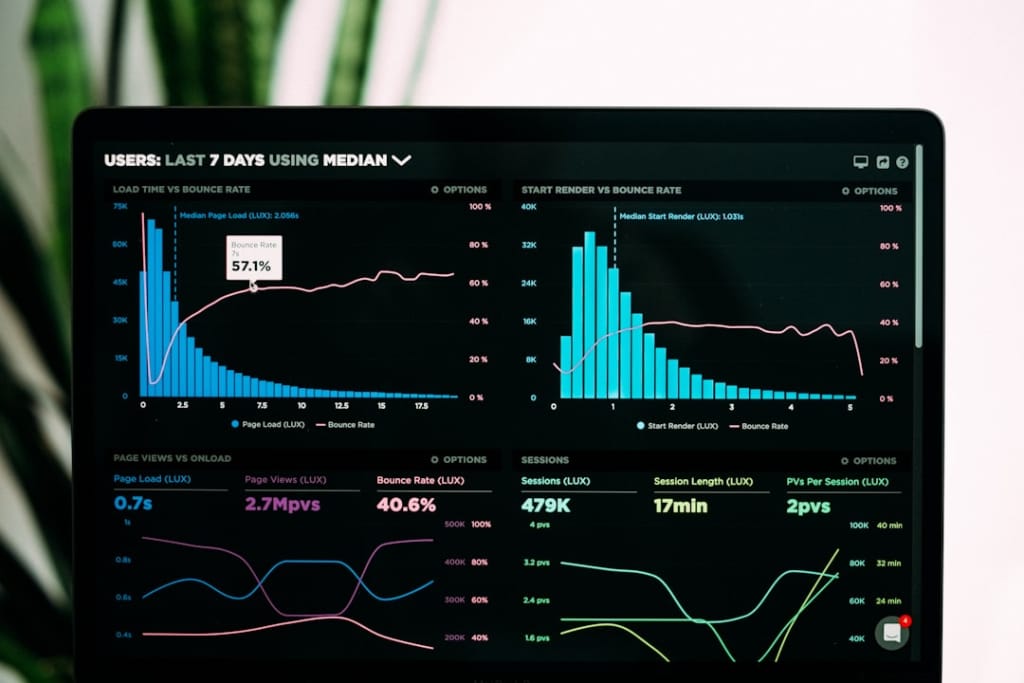
When it comes to generating quick profits in the financial markets, two popular strategies stand out: day trading and long-term investing. Each approach offers distinct advantages and challenges, catering to varying risk appetites and investment goals. Day trading involves making rapid trades throughout the day to capitalize on market fluctuations, while long-term investing typically entails holding assets for years to benefit from overall growth. Understanding these strategies is crucial as you navigate the complex landscape of investing and determine which method aligns best with your financial aspirations.
Understanding Day Trading: Key Concepts and Strategies

Day trading involves buying and selling securities within the same trading day. This fast-paced approach aims to capitalize on short-term price fluctuations, making it appealing for traders seeking quick profits. Here are some key concepts and strategies:
- Market Timing: Successful day traders rely on precise timing to enter and exit positions, minimizing risk and maximizing returns.
- Technical Analysis: Day traders often use charts and indicators to analyze price movements. Common tools include:
- Moving Averages: Helps identify trends.
- Resistance and Support Levels: Indicates potential price points.
- Risk Management: Protecting investments is crucial. Strategies include:
- Stop-Loss Orders: Automatically sells a security at a predetermined price.
- Position Sizing: Limits the amount invested in a single trade to control overall exposure.
- Discipline and Focus: Day trading requires emotional control and the ability to react quickly to market changes.
By mastering these concepts and strategies, day traders can enhance their potential for profitability within the constraints of the market.
Exploring Long-Term Investing: Benefits and Drawbacks
Long-term investing involves buying and holding assets for an extended period, typically years or even decades. This strategy offers several benefits and drawbacks:
Benefits:
- Stability: Long-term investments often yield more stable returns compared to short-term trades.
- Compound Growth: By holding onto investments, you can take advantage of compound interest, leading to greater wealth accumulation over time.
- Less Stress: With less frequent trading, investors spend fewer hours monitoring the market, making it a less stressful approach.
- Tax Efficiency: Long-term investments may incur lower capital gains taxes since they benefit from lower rates for assets held over a year.
Drawbacks:
- Time Commitment: It requires patience and a commitment to staying invested, regardless of market fluctuations.
- Market Risk: Long-term investors may face significant downturns that can impact their portfolio value.
- Opportunity Cost: By holding onto investments, there’s a risk of missing out on other lucrative opportunities.
In summary, while long-term investing can be rewarding, it carries its own set of challenges that investors should carefully consider.
Comparative Analysis: Day Trading versus Long-Term Investing
When considering investments, understanding the key distinctions between day trading and long-term investing is crucial. Here’s a comparative analysis that highlights their unique characteristics:
| Feature | Day Trading | Long-Term Investing |
|---|---|---|
| Timeframe | Holds positions for minutes / hours | Holds positions for months / years |
| Profit Potential | Quick, high-risk returns | Steady, compounded gains |
| Market Knowledge | Requires in-depth, real-time analysis | Less emphasis on daily market changes |
| Emotional Stress | High, due to rapid decisions | Generally lower, focused on long-term goals |
| Transaction Costs | Higher due to frequent trades | Lower, fewer transactions over time |
| Required Capital | Often needs more cash for margin | Can begin with lower amounts |
In summary, day trading appeals to those who prefer quick profits through rapid decision-making and market analysis. Conversely, long-term investing generally provides a more stable growth approach, ideal for those willing to ride out market fluctuations for consistent returns. Understanding these differences allows you to choose the best strategy for your financial goals.
Deciding Factors: Choosing the Right Approach for Quick Profits
When weighing day trading against long-term investing, several deciding factors can influence your choice, particularly if you’re aiming for quick profits:
- Time Commitment:
- Day Trading: Requires significant hours spent monitoring the markets. Traders often engage in multiple trades daily.
- Long-Term Investing: Less time-intensive, allowing you to invest and then monitor your portfolio over longer time frames.
- Risk Tolerance:
- Day Trading: Higher risk with potential for substantial losses in short periods. Suitable for those with strong risk appetite.
- Long-Term Investing: Generally involves lower risk as investments are held over years, smoothing out market volatility.
- Market Knowledge:
- Day Trading: Requires in-depth understanding of market trends and technical analysis.
- Long-Term Investing: While knowledge helps, it can be more forgiving; focusing on fundamentals is key.
- Profit Expectations:
- Day Trading: Potential for rapid profits but with corresponding risks.
- Long-Term Investing: Slower profit accumulation, often resulting in steady gains over time.
Ultimately, select a strategy that aligns with your financial goals, lifestyle, and risk appetite to optimize your chances for quick profits.
Frequently Asked Questions
What is the main difference between day trading and long-term investing?
Day trading involves buying and selling financial instruments within the same trading day, often executing multiple trades to capitalize on short-term price movements. In contrast, long-term investing is characterized by buying and holding assets for an extended period, typically years, focusing on the overall appreciation of the investment rather than small daily gains. Thus, day trading seeks quick profits through swift market movements, while long-term investing relies on gradual growth and compounding returns.
What are the risks associated with day trading?
Day trading carries inherent risks including high volatility, significant potential for loss, and reliance on rapid decision-making under pressure. Traders often use leverage to increase potential gains, but this also amplifies losses. Additionally, emotional factors can influence trading decisions, leading to impulsive trades or reactions to market fluctuations. It’s essential for aspiring day traders to possess a solid understanding of market dynamics, risk management strategies, and to maintain discipline to mitigate these risks.
Is day trading suitable for beginners?
While day trading can be enticing for quick profits, it is generally not recommended for beginners. The fast-paced nature of this trading style requires extensive knowledge, experience, and a well-thought-out trading strategy. New traders may find it challenging to navigate the emotional and psychological stresses involved and are at a greater risk of losses due to inexperience. For beginners, it’s often wise to start with long-term investing or simulations to build knowledge and confidence before engaging in day trading.
Which strategy is more profitable: day trading or long-term investing?
The profitability of day trading versus long-term investing varies significantly depending on individual circumstances, market conditions, and execution. Day trading can yield high returns within shorter time frames, but it also comes with a higher risk of loss. Conversely, long-term investing generally offers steadier returns through compounding growth over time and is often less stressful. Ultimately, the most suitable and potentially profitable strategy depends on the investor’s financial goals, risk tolerance, and expertise in managing investments.







Comments are closed.