
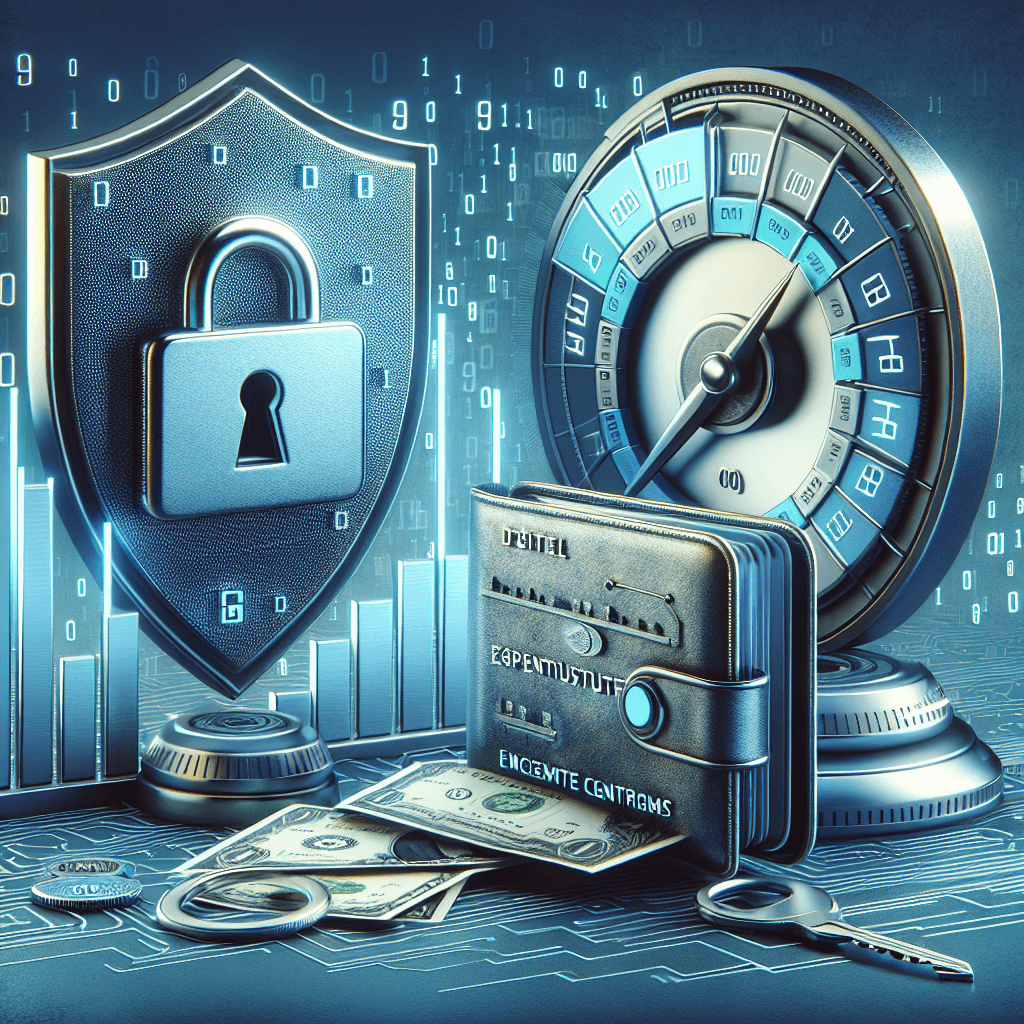
Digital wallets have revolutionized how we manage and execute transactions in today’s fast-paced, digital age. By combining convenience with a range of functionalities, these virtual tools enhance our purchasing experiences. However, as we navigate the benefits, understanding payment security becomes crucial to safeguarding our financial information. Furthermore, striking a balance between spending control and versatile payment options can empower users to make informed financial choices. In this post, we will explore how digital wallets function, highlight security considerations, and discuss effective strategies to ensure responsible spending in this evolving landscape.
Understanding Digital Wallets and Their Functions

Digital wallets, often referred to as e-wallets, have revolutionized how we make transactions in today’s fast-paced society. They serve as an online platform where users can store their payment information securely, making payments seamless and efficient. Here are key functions digital wallets offer:
- Payment Storage: Users can store multiple credit and debit card details, streamlining checkout processes.
- Transaction History: Digital wallets keep track of your spending, providing valuable insights into your purchasing habits.
- Bill Payments: Many digital wallets allow users to pay bills directly, simplifying household management.
- Rewards and Discounts: Often linked with loyalty programs, users can automatically apply rewards and discounts during transactions.
Comparison of Popular Digital Wallets
| Feature | PayPal | Apple Pay | Google Pay |
|---|---|---|---|
| Contactless Payments | Yes | Yes | Yes |
| Bill Payment | Limited | Yes | Yes |
| Transaction Fees | 2.9% + $0.30 | None | None |
| Supported Platforms | Web, iOS, Android | iOS | Android |
In summary, digital wallets provide convenience, security, and various features, making them an essential tool for modern personal finance management.
The Importance of Payment Security in Digital Transactions

In the digital age, ensuring payment security is paramount for users of digital wallets. As more individuals transition to cashless transactions, understanding the security features of these wallets becomes crucial. Here are some key elements that enhance payment security:
- Encryption: Digital wallets use advanced encryption technologies to protect sensitive information during transactions, minimizing the risk of data breaches.
- Tokenization: Instead of using actual card numbers, digital wallets often utilize tokenization. This means a unique identifier replaces your card number, adding an extra layer of security.
- Multi-Factor Authentication (MFA): Many wallets require multiple forms of verification (like fingerprint scanning or SMS codes) to authorize payments, making unauthorized access more challenging.
Here’s a quick comparison of common digital wallets and their security features:
| Digital Wallet | Encryption | Tokenization | MFA |
|---|---|---|---|
| PayPal | Yes | Yes | Yes |
| Apple Pay | Yes | Yes | Yes |
| Google Pay | Yes | Yes | Yes |
| Venmo | Yes | No | Optional |
Understanding these security measures helps users make informed choices, ensuring their financial information stays protected while enjoying the convenience of digital transactions.
Strategies for Effective Spending Control
Effective spending control is crucial when using digital wallets. Here are some strategies to help you manage your expenses effectively:
- Set Spending Limits: Many digital wallets allow you to set daily, weekly, or monthly spending limits. Use this feature to prevent overspending.
- Track Your Transactions: Regularly review your transaction history within your digital wallet. This helps you identify spending patterns and adjust your budget accordingly.
- Separate Spending Categories: Categorize your spending to see where your money goes. Most wallets provide options to organize transactions into categories such as groceries, entertainment, and transportation.
- Use Budgeting Tools: Integrate budgeting tools available in your digital wallet. These tools can alert you if you’re nearing your set limits.
- Utilize Notification Alerts: Enable notification alerts for transactions. This keeps you informed of your spending in real-time, making it easier to stay on track.
By implementing these strategies, you can enjoy the convenience of digital wallets while maintaining control over your finances.
The Future of Digital Wallets in Personal Finance
As technology continues to evolve, digital wallets are poised to revolutionize personal finance even further. Their integration of advanced features promises convenience while emphasizing security. Here are some trends to watch for in the future of digital wallets:
- Increased Security Measures: Expect enhanced biometric authentication methods like facial recognition and fingerprints, reducing the risk of unauthorized access.
- AI and Machine Learning: These technologies will analyze spending habits, providing personalized budgeting tools and alerts, thereby promoting better financial health.
- Cryptocurrency Integration: As cryptocurrencies gain popularity, many digital wallets will expand to include crypto transactions, enabling users to manage both fiat and digital currencies in one place.
- Seamless Integration with Financial Services: Future digital wallets will likely partner with banks and investment platforms, allowing users to view their entire financial landscape within a single application.
- Contactless Payment Capabilities: With the ongoing shift toward contactless transactions, digital wallets will become essential for everyday purchases, ensuring speed and convenience.
In summary, as digital wallets adapt and incorporate these features, they will not only enhance transactional efficiency but also lead users toward more informed financial decision-making.
Frequently Asked Questions
What is a digital wallet and how does it work?
A digital wallet, often referred to as an e-wallet, is a software application that allows users to store and manage their payment information seamlessly. Digital wallets work by linking to your bank account or credit cards, enabling transactions without the need for physical cards or cash. Users simply need to download a digital wallet app on their smartphones or computers, and they can easily make purchases, send or receive money, and even manage loyalty programs, all while benefiting from enhanced security measures such as encryption and biometric authentication.
Are digital wallets secure for online transactions?
Yes, digital wallets are designed with multiple layers of security to protect consumers’ financial information during online transactions. They utilize encryption technology to safeguard sensitive data, and many digital wallets implement two-factor authentication to ensure that only authorized users can access their funds. Additionally, because transactions do not require the sharing of actual credit or debit card numbers, users can minimize their exposure to fraud. However, it is always essential for users to follow best practices, such as keeping their software updated and using strong, unique passwords.
How can users maintain spending control with digital wallets?
Maintaining spending control while using digital wallets can be achieved through various features offered by these platforms. Many digital wallets provide budgeting tools that help users track their spending habits and set limits on their transactions. Users can also categorize their expenses to better understand where their money is going. Additionally, some digital wallets allow users to enable notifications for transactions, which can serve as a continuous reminder of their spending patterns. By actively monitoring and setting predefined limits, users can exercise greater control over their finances.
What are the types of transactions that can be performed with digital wallets?
Digital wallets facilitate a wide range of transactions, making them versatile tools for modern financial management. Users can perform online and in-store purchases, send and receive money to friends and family, pay bills, and even make donations to charities. Some wallets also allow users to store loyalty cards and coupons, which can enhance the shopping experience. Furthermore, as the technology evolves, digital wallets may support additional features, such as cryptocurrency transactions and peer-to-peer lending, making them suitable for diverse financial needs.






Comments are closed.