
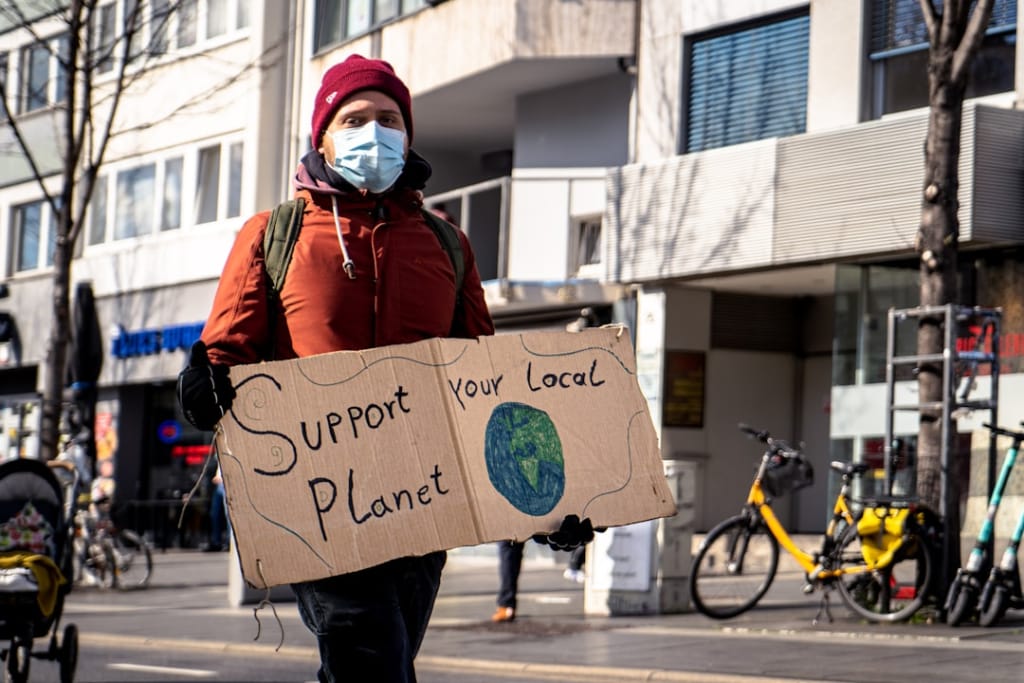
In today’s world, eco-friendly living not only contributes to a healthier planet but also leads to significant financial savings. By making conscious choices, individuals can reduce waste, lower utility bills, and find affordable alternatives to everyday products. Moreover, adopting energy-efficient practices at home can further cut costs while promoting sustainability. As we explore these practical strategies, you’ll discover how simple changes can benefit both your wallet and the environment, ultimately allowing you to live more sustainably without breaking the bank.
Understanding the Financial Benefits of Eco-Friendly Choices

Choosing an eco-friendly lifestyle not only benefits the planet but can also lead to significant financial savings. Here are some key financial advantages of making sustainable choices:
- Lower Utility Bills: Implementing energy-efficient practices, such as using LED bulbs and energy-saving appliances, can reduce energy consumption, leading to lower monthly bills.
- Government Incentives: Many regions offer tax credits, rebates, or grants for energy-efficient home improvements, helping offset initial costs.
- Durable Products: Eco-friendly products often use high-quality materials, resulting in longer lifespan and fewer replacements, ultimately saving money in the long run.
- Water Savings: Installing low-flow faucets and toilets can minimize water usage, resulting in lower water bills.
| Benefit | Description | Estimated Savings |
|---|---|---|
| Lower Utility Bills | Energy-efficient choices reduce costs | Up to 30% |
| Government Incentives | Financial support for green upgrades | Varies by region |
| Product Durability | Decreased replacement frequency | Up to 50% savings |
| Water Savings | Using less water cuts bills | 20-50% savings |
In summary, adopting eco-friendly choices not only promotes environmental sustainability but also contributes to long-term financial health.
Simple Ways to Reduce Waste and Save Money
Reducing waste not only benefits the environment but also saves you money. Here are some effective strategies:
- Plan Meals: Create a weekly meal plan to minimize food waste. Buy only what you need and use leftovers creatively.
- Use Reusable Bags: Switch to reusable shopping bags. Many stores offer discounts when you bring your own bags, saving you money over time.
- Buy in Bulk: Purchase items in bulk to reduce packaging waste and save on costs. Focus on non-perishable goods like grains and canned goods.
- DIY Household Products: Make your own cleaning products using simple ingredients like vinegar and baking soda. This cuts down on both waste and costs.
- Compost: Instead of throwing away organic waste, start composting. You’ll reduce trash volume and create nutrient-rich soil for your garden.
These small changes can lead to significant savings while promoting a sustainable lifestyle. By being mindful of your consumption habits, you contribute to a healthier planet and your wallet.
Energy Efficiency Tips for Homeowners
Improving energy efficiency in your home not only helps the planet but also reduces your utility bills. Here are some effective strategies for homeowners:
- Upgrade to Energy Star Appliances: Choosing appliances that meet Energy Star standards can cut energy use significantly, saving you money in the long run.
- Seal and Insulate: Proper insulation and sealing gaps around windows and doors prevent heat loss, keeping your home comfortable and reducing heating costs.
- Use Programmable Thermostats: Automating your heating and cooling systems allows you to optimize energy use based on your schedule, which can lower your energy bills.
- Switch to LED Bulbs: Although they may cost more upfront, LED bulbs use up to 75% less energy than traditional bulbs and can last 25 times longer.
- Consider Solar Panels: Investing in solar energy can lead to substantial long-term savings on electricity along with potential tax incentives.
By implementing these tips, you can create a sustainable home environment that benefits both your wallet and the planet.
Affordable Alternatives to Everyday Products
Switching to eco-friendly products doesn’t have to break the bank. Here are some affordable alternatives to everyday products that can save you money while benefiting the planet:
- Reusable Bags: Instead of disposable plastic bags, invest in reusable cloth bags. They are durable, often cheaper in the long run, and contribute to reducing waste.
- DIY Cleaning Supplies: Create your own cleaning solutions using simple ingredients like vinegar and baking soda. This not only cuts costs but also eliminates harmful chemicals.
- Refillable Water Bottles: A refillable stainless steel or glass water bottle reduces single-use plastic and saves you money on bottled water.
- Natural Personal Care Products: Choose natural alternatives for personal care items. For instance, homemade shampoo bars or solid deodorants lessen packaging waste and are often cheaper.
- Bulk Purchases: Buy in bulk for items like grains, nuts, and cleaning supplies. This minimizes packaging and usually reduces the cost per unit.
By making these small changes, you can significantly lower your expenses while encouraging a more sustainable lifestyle.
Frequently Asked Questions
What are some effective ways to reduce my carbon footprint at home?
Reducing your carbon footprint at home can begin with simple yet impactful changes. Start by incorporating energy-efficient appliances that consume less energy and switch to LED lighting. Additionally, consider reducing water usage by installing low-flow fixtures and fixing leaks. Embrace recycling and composting to minimize waste, and opt for local and seasonal foods to lessen transportation emissions. Lastly, using public transportation, biking, or carpooling can significantly cut down on personal vehicle emissions.
How can I save money while being eco-friendly?
You can save money while adopting eco-friendly practices by making sustainable choices. One effective method is to reduce energy consumption; for example, turning off lights when not in use and utilizing natural light during the day. Additionally, growing your own vegetables and herbs can reduce grocery bills while offering fresh produce. Investing in reusable bags, containers, and bottles minimizes single-use plastic expenditures. Furthermore, consider second-hand shopping for clothes and furniture to save money while promoting a circular economy.
Is eco-friendly living expensive?
Contrary to popular belief, eco-friendly living does not have to be expensive. While some sustainable products may initially cost more, many cost-saving strategies can offset these expenses. For instance, energy-efficient appliances often lead to lower utility bills over time. Additionally, DIY projects using reclaimed materials can save money compared to buying new. Emphasizing local foods can also reduce grocery bills, and buying in bulk can minimize packaging costs. Ultimately, eco-friendly living can be both budget-friendly and environmentally beneficial.
What are the long-term benefits of eco-friendly living?
The long-term benefits of eco-friendly living are significant for both the planet and personal well-being. By adopting sustainable practices, individuals contribute to the reduction of pollution and the conservation of natural resources, which helps combat climate change. Ultimately, this results in improved air and water quality, leading to better public health. Additionally, eco-friendly living fosters a sense of community and encourages social responsibility. As resources become scarcer, those who embrace sustainability may find themselves better prepared for future challenges.


Comments are closed.