

Are you feeling overwhelmed by financial anxiety as your bills keep piling up? You’re not alone; many people struggle with money-related stress, especially in today’s world. Fortunately, adopting sustainable living savings strategies can help you regain control without feeling deprived. This guide will explore practical ways to implement green money-saving tips and embrace eco-friendly lifestyle habits that not only lighten your financial load but also benefit the environment. By making simple yet impactful changes, you can transform chaos into calm and take significant steps towards a financially healthier future.
Energy Savers: Cut Bills with Eco-Friendly Upgrades
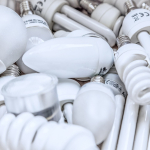
If you’re looking to alleviate some of your financial stress, focusing on sustainable living savings through eco-friendly upgrades can make a significant difference. By adopting energy-efficient systems in your home, you can reduce utility bills and contribute to a healthier planet. Here are some effective upgrades to consider:
| Upgrade | Benefits |
|---|---|
| LED Light Bulbs | Consume less energy, last longer, and save on electricity bills. |
| Energy Star Appliances | Often use 10-50% less energy than standard options, resulting in long-term savings. |
| Smart Thermostats | Optimize heating and cooling, saving money by reducing energy waste. |
| Insulation and Weatherproofing | Keeps your home comfortable, reducing heating and cooling costs significantly. |
Incorporating these green money-saving tips into your lifestyle not only lightens your financial burden but also fosters eco-friendly lifestyle habits. You’ll feel empowered by knowing you’re doing your part for the environment, giving you peace of mind as you manage your finances effectively. Make the switch today, and watch your expenses reduce while contributing to a sustainable future!

Waste Less, Save More: Frugal Green Habits for Daily Life
Adopting eco-friendly lifestyle habits not only benefits the planet but can significantly ease your financial worries. By integrating frugal practices into your daily routine, you can enjoy sustainable living savings while contributing to environmental preservation. Here are some practical tips to get you started:
| Eco-Friendly Habit | Cost-Saving Benefit |
|---|---|
| Use Reusable Bags | Reduce spending on disposable bags and minimize waste. |
| Implement a Meal Plan | Cut back on food waste and save money by only buying what you need. |
| Switch to LED Bulbs | Lower your electricity bills and lifespan of bulbs compared to traditional ones. |
| Opt for Natural Cleaners | Save money on commercial cleaning products while reducing harmful chemicals in your home. |
| Carpool or Use Public Transit | Save on gas and vehicle maintenance costs, while reducing your carbon footprint. |
By embracing these green money-saving tips, you not only establish a healthier financial environment but also create a positive impact on the world around you. Taking small, manageable steps towards sustainability can lead to cumulative savings, making frugal and eco-friendly choices a win-win situation in your journey to reduce money stress.
Buy to Last: Choose Durable or Second-Hand to Save Big
When it comes to managing money stress, investing in durable or second-hand items can lead to substantial savings and contribute to an eco-friendly lifestyle. You can optimize your spending by focusing on quality over quantity. Durable goods, such as high-quality clothing, kitchenware, and furniture, often come with a higher upfront cost but result in lower overall expenses as they last longer and require replacements less frequently.
Additionally, shopping second-hand allows you to access great deals while simultaneously reducing waste and promoting a sustainable living savings approach. Thrift shops, online marketplaces, and local sales can yield amazing finds at a fraction of the new retail price.
Consider creating a budget that prioritizes these purchases. This will help you allocate funds efficiently and avoid impulse buys. By cultivating eco-friendly lifestyle habits and making thoughtful choices, you not only enhance your bank balance but also contribute positively to the planet. Practice these green money-saving tips, and watch your savings grow while giving new life to pre-loved items.
Frequently Asked Questions
What are some common signs of financial anxiety?
Financial anxiety can manifest in various ways, both emotionally and physically. Common signs include feeling overwhelmed about money, experiencing sleep disturbances, mood fluctuations, or chronic stress. Financial anxiety might also lead to behavioral changes such as avoidance of financial responsibilities or impulsive spending. Many Americans report feeling fatigued, having difficulty concentrating at work, or finding it tough to maintain healthy relationships due to financial pressures. Recognizing these signs early can be crucial in addressing them effectively.
How can I manage my financial anxiety effectively?
Managing financial anxiety involves a combination of practical strategies and self-care practices. Start by setting clear, achievable financial goals—both short-term and long-term. Regularly review your finances, create a budget, and prioritize spending. Additionally, practice mindfulness techniques such as meditation to help ease anxiety. Engage in self-care routines that promote relaxation, like exercise or pursuing hobbies. It’s also beneficial to limit your exposure to negative financial news and talk openly about your feelings with trusted friends or professionals.
Is it normal to feel alone in managing financial worries?
Yes, many people experience feelings of loneliness when it comes to financial stress. A survey showed that about 76% of Americans feel isolated in their struggles with money-related worries. This perception can contribute to heightened anxiety. It’s important to seek support, whether by talking to friends, family, or mental health professionals who can offer guidance. You are not alone in this, and reaching out can foster connection and provide valuable emotional support during tough times.






Comments are closed.