

Building an effective monthly budget from scratch can seem daunting, yet it is a powerful tool for attaining financial stability. By understanding your income and expenses, you lay the foundation for a realistic budget. Moreover, setting clear financial goals empowers you to prioritize your spending. As you create your monthly budget plan, remember that flexibility is key; regularly monitoring and adjusting it will help you stay on track and achieve your goals. Embrace the process, and watch your financial health flourish as you take control of your finances.
Understanding Your Income and Expenses
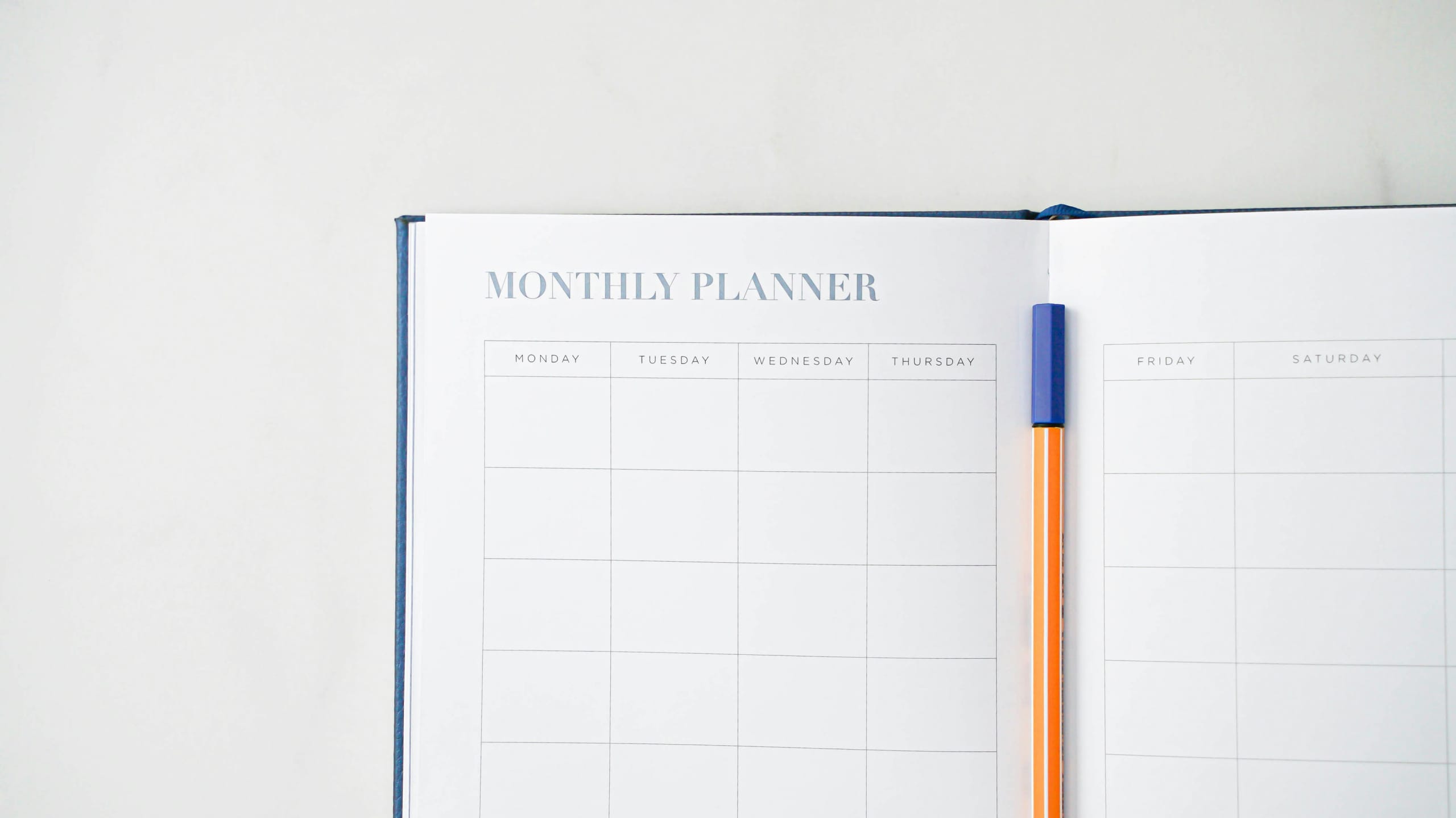
To build an effective monthly budget, start by gaining a clear understanding of your income and expenses. Here’s how to break it down:
Identify Your Income Sources
- Salary/Wages: Include your after-tax income.
- Bonuses and Commissions: Consider any additional earnings.
- Side Income: Factor in any freelance work or side gigs.
List Your Monthly Expenses
Divide your expenses into fixed and variable categories:
Fixed Expenses (consistent month-to-month)
- Rent/Mortgage
- Utilities (electricity, water, internet)
- Insurance (health, car)
Variable Expenses (fluctuate each month)
- Groceries
- Entertainment (dining out, movies)
- Transportation (fuel, public transport)
Calculate Your Total Income and Expenses
- Total Income: Sum all sources of income.
- Total Expenses: Sum all fixed and variable expenses.
Assess Balance
- Surplus: If income exceeds expenses, you can save or invest the difference.
- Deficit: If expenses exceed income, identify areas to reduce spending.
Understanding these elements will provide a strong foundation for your budgeting process.
Setting Financial Goals
Establishing clear financial goals is crucial for guiding your budgeting process. These goals provide direction and motivation as you work towards achieving financial stability. Here’s how to set effective financial goals:
- Be Specific: Define what you want to achieve, such as saving for a vacation, paying off debt, or building an emergency fund.
- Make Them Measurable: Assign numerical values to your goals. For instance, aim to save $5,000 for a vacation within a year.
- Set a Timeline: Establish deadlines to keep you accountable. For example, decide to pay off your credit card debt in six months.
- Prioritize Your Goals: Determine which goals are most important. Tackle high-interest debts first or focus on creating an emergency fund.
- Revisit and Adjust: Periodically assess your goals to ensure they remain relevant as circumstances change.
By clearly defining and prioritizing your financial goals, you set the stage for a more focused and successful budgeting strategy.
Creating Your Monthly Budget Plan
Building a monthly budget plan is essential for managing your finances effectively. Follow these steps to create a structured and accountable budget:
- Track Income and Expenses:
- List all sources of income (e.g., salary, freelance work).
- Record fixed expenses (e.g., rent, utilities) and variable expenses (e.g., groceries, entertainment).
- Categorize Your Spending:
- Needs: Essentials like housing, food, and transportation.
- Wants: Non-essentials like dining out, subscriptions, and hobbies.
- Savings: Allocate a percentage for emergencies and future goals.
- Set Spending Limits:
- Determine a cap for each category based on historical spending and your financial goals.
- Adjust as necessary to ensure that needs are prioritized over wants.
- Use Budgeting Tools:
- Consider apps or spreadsheets for easy tracking.
- Regularly update your plan to reflect changes in income or expenses.
- Review and Revise:
- Monthly reflection on your spending can help you identify trends.
- Make adjustments to categories based on your priorities and spending habits.
By following these steps, you will create a personalized monthly budget plan that keeps you on track to meet your financial goals.
Monitoring and Adjusting Your Budget
Once you’ve established your monthly budget, the key to its success lies in monitoring and adjusting it regularly. Here’s how to effectively manage your budget:
- Track Your Spending: Use an app or spreadsheet to log daily expenses. This helps you see where your money goes and can reveal hidden spending habits.
- Review Monthly: Set aside time at the end of each month to review your budget. Compare your actual spending with your planned budget categories.
- Identify Patterns: Look for trends in your spending. Are you consistently overspending in certain areas? Adjust your budget categories accordingly.
- Adjust for Changes: Life changes, such as a new job or unexpected expenses, may require you to modify your budget. Be flexible and ready to adapt.
- Set Reminders: Use digital tools to send you alerts when you approach budget limits, helping you stick to your plan.
By actively monitoring and adjusting your budget, you can enhance your financial health and achieve your goals more effectively.
Frequently Asked Questions
What is the first step in creating a monthly budget from scratch?
The first step in creating a monthly budget from scratch is to evaluate your current financial situation. This includes gathering all of your income sources, such as salaries, bonuses, or any side hustle income, and determining your average total monthly income. Additionally, compile all your fixed expenses (like rent, utilities, and loans) and variable expenses (such as groceries and entertainment). This comprehensive overview serves as the foundation for building the rest of your budget.
How do I categorize my expenses effectively?
Categorizing your expenses is a crucial part of budgeting as it allows you to see where your money goes. Start by creating categories such as housing, food, transportation, savings, and entertainment. Within each category, list your monthly expenses. You can further divide categories into fixed (like rent) and variable expenses (like dining out). Using a spreadsheet or budgeting app can help you visualize these categories, making it easier to track your spending habits and adjust them as necessary.
What tools can I use to track my monthly budget?
There are numerous tools available to help you track your monthly budget effectively. Popular options include spreadsheets, budgeting apps such as Mint or YNAB (You Need A Budget), and financial software like Quicken. Each of these tools offers features that allow you to input your income and expenses, set budget goals, and receive insights on your spending patterns. Choosing the right tool often depends on your personal preferences, such as whether you prefer mobile apps or desktop applications.
How can I adjust my budget after creating it?
Adjusting your budget after creating it is essential for ensuring its effectiveness. Start by reviewing your budget at the end of each month to assess your actual spending against your planned expenses. Identify areas where you overspent or underspent, and use this information to make necessary adjustments. This might involve reallocating funds from one category to another, increasing savings goals, or modifying spending habits. Flexibility is key; your budget should evolve based on changing circumstances and financial goals.






Comments are closed.