

In today’s world, understanding how to financially thrive in a high-inflation economy is crucial for maintaining stability and securing your future. As inflation rises, the cost of living increases, making it essential to adapt your financial strategies. By implementing effective budgeting methods, exploring diverse investment options, and seeking ways to boost your income, you can navigate these challenging economic conditions. This guide will equip you with the insights needed to protect your purchasing power and promote financial growth despite inflation’s pressures.
Understanding Inflation and Its Impact on Finances
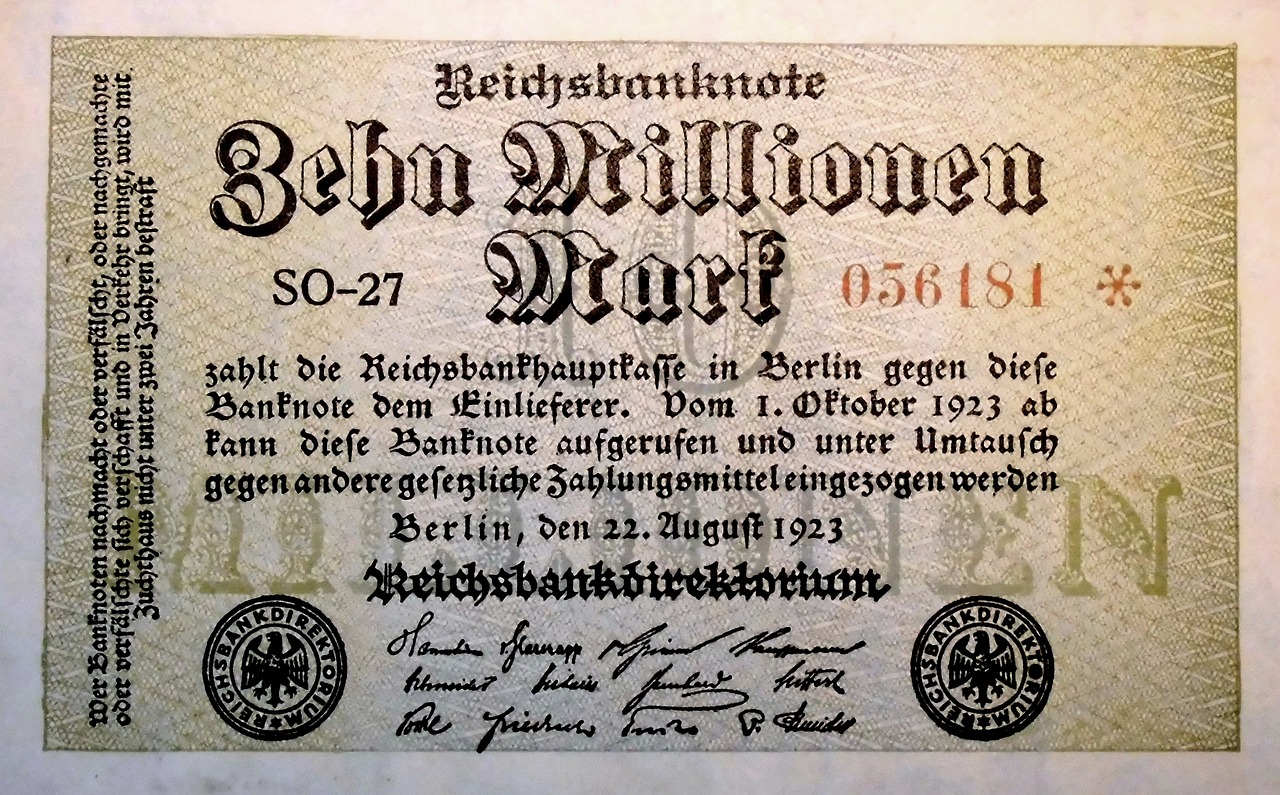
Inflation refers to the general increase in prices, which subsequently decreases the purchasing power of money. In a high-inflation economy, consumers find that their dollar buys less than before, leading to a strain on their finances. Here’s how inflation impacts personal finances:
- Rising Prices: Everyday goods such as food, fuel, and housing become more expensive, leaving less disposable income for discretionary spending.
- Interest Rates: Central banks may raise interest rates to combat inflation, increasing borrowing costs for loans and mortgages.
- Savings Erosion: Inflation can diminish the value of cash savings, as the returns from traditional savings accounts often fail to keep pace with rising costs.
To mitigate these effects, individuals should:
- Monitor Spending: Regularly review and adjust budgets to account for rising expenses.
- Explore Investment Options: Invest in assets that historically outpace inflation, like stocks or real estate.
- Consider Inflation-Hedged Investments: Options such as Treasury Inflation-Protected Securities (TIPS) provide a safeguard against devaluation.
Understanding these dynamics can empower consumers to make informed financial decisions in an inflationary environment.
Effective Budgeting Strategies for High-Inflation Periods
Managing your finances during high inflation requires a strategic approach to budgeting. Here are effective budgeting strategies to help you thrive:
- Prioritize Essential Expenses: Focus on needs over wants. Make a list of essential expenses, such as housing, groceries, and healthcare, and allocate funds accordingly.
- Adjust Your Budget Regularly: Review your budget frequently. Inflation can change prices quickly, so adjust your budget to reflect current costs.
- Cut Unnecessary Costs: Identify non-essential spending. Consider canceling subscriptions or reducing dining out to free up more cash for essentials.
- Implement the 50/30/20 Rule: Allocate 50% for needs, 30% for wants, and 20% for savings or debt repayment. This gives structure to your spending while promoting savings.
- Use a Buffer for Fluctuations: Set aside a small portion of your income as a buffer against rising costs. This can prevent financial strain in months where expenses exceed expectations.
By employing these strategies, you can create a resilient budget that adapts to the challenges of a high-inflation economy.
Investment Options to Consider During Inflation
In a high-inflation economy, traditional investments may lose their appeal as purchasing power erodes. However, savvy investors can select options that typically outpace inflation. Consider these strategies:
- Real Estate: Investing in property can provide rental income and appreciation. Real estate often acts as a hedge against inflation because property values tend to rise with inflation.
- Commodities: Assets like gold, silver, and oil often maintain their value during inflationary periods. These commodities can serve as a safe haven for your portfolio.
- Inflation-Protected Securities: Treasury Inflation-Protected Securities (TIPS) are government bonds specifically designed to protect against inflation. Their principal adjusts with the Consumer Price Index (CPI), ensuring your investment’s value grows.
- Stocks: Equities of companies with pricing power can hold or increase returns during inflationary periods. Focus on sectors like consumer staples and utilities, which can pass on costs to consumers.
By diversifying your investments with these options, you can safeguard your financial future in a high-inflation economy.
Tips for Increasing Your Income in a High-Inflation Environment
Increasing your income during high-inflation periods is essential to maintain your purchasing power. Here are several effective strategies:
- Consider a Side Hustle: Explore freelance jobs, tutoring, or gig economy opportunities like ride-sharing or delivery services. Many people successfully supplement their income this way.
- Upskill or Reskill: Invest in yourself by taking online courses or attending workshops. Acquiring new skills can lead to promotions or better job offers.
- Negotiate Your Salary: Don’t hesitate to ask for a raise. Present your achievements and market research to justify your request. Employers often appreciate proactive employees.
- Start a Small Business: Turn your passion into profit. Whether it’s crafting, consulting, or e-commerce, a small venture can provide extra income.
- Invest in Dividend Stocks: Consider stocks that pay dividends. They can offer regular income, which can help cushion against rising costs.
By implementing these strategies, you can enhance your income potential and better navigate the financial challenges of a high-inflation economy.
Frequently Asked Questions
What are the key strategies for managing finances during high inflation?
Managing finances during high inflation requires a multi-faceted approach. First, it’s crucial to budget carefully by tracking expenses and identifying non-essential spending that can be reduced or eliminated. Investing in assets that typically outpace inflation, like stocks or real estate, can also provide a hedge against rising prices. Additionally, adjusting savings strategies, such as putting funds into inflation-protected securities or high-yield savings accounts, can preserve purchasing power. Keeping informed on economic trends is essential to adapt financial strategies as needed.
How can I protect my investments from inflation?
To protect investments from the impacts of inflation, diversification is key. Consider allocating a portion of your portfolio to inflation-resistant assets such as commodities, real estate, or treasury inflation-protected securities (TIPS). Stocks of companies with strong pricing power—the ability to raise prices without losing customers—can help maintain value as costs rise. Additionally, regularly reviewing and adjusting your investment strategy in accordance with inflationary trends will ensure that your assets can withstand market fluctuations.
Should I adjust my savings strategy during high inflation?
Yes, adjusting your savings strategy during high inflation is essential to maintain the value of your money. Instead of traditional savings accounts, consider placing your savings in high-yield accounts or certificates of deposit (CDs) that offer interest rates above the inflation rate. Furthermore, exploring other savings vehicles, such as inflation-indexed bonds or real estate, can provide better returns in the long term. Regularly reassessing your savings plan to ensure it aligns with current economic conditions will help safeguard your financial stability.
What lifestyle changes can help me cope with high inflation?
Adapting your lifestyle to cope with high inflation involves both practical and strategic changes. Start by becoming more mindful of spending habits, such as seeking out discounts, using coupons, or buying in bulk to save on recurring expenses. Cooking at home rather than dining out can significantly reduce food costs. Additionally, reevaluating your transportation options—perhaps utilizing public transport or carpooling—can lead to noticeable savings. Engaging in a frugal mindset and prioritizing needs over wants will further strengthen your financial resilience against inflation.



Comments are closed.