
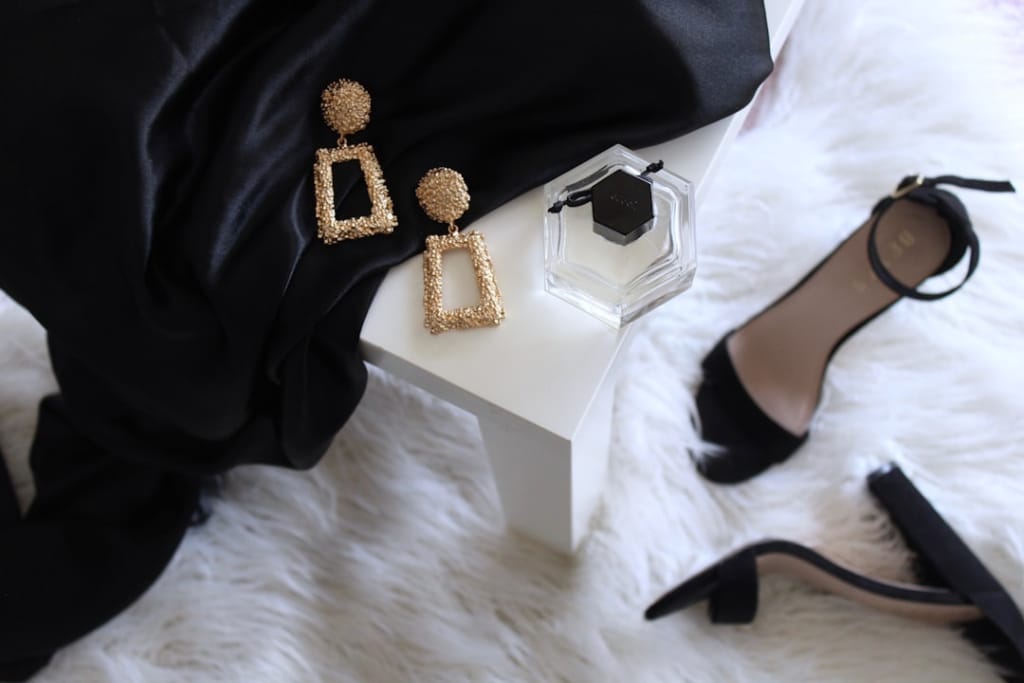
In today’s fast-paced world, many individuals grapple with the challenge of maintaining budget control while indulging in luxury spending. Striking a balance between everyday expenses and desired luxuries is essential for financial stability and personal satisfaction. By understanding how luxury spending fits within a budget framework, you can develop effective strategies to prioritize your expenses without sacrificing your lifestyle. This guide will provide you with practical tips to establish a budget plan tailored for your luxury purchases, ensuring you enjoy the finer things in life while keeping your finances intact.
Understanding Luxury Spending in a Budget Framework

To effectively manage luxury spending within a budget, it’s essential to grasp what luxury means to you. Luxury purchases often bring enjoyment and satisfaction, but they can also strain a financial plan. Here are the key aspects to consider:
- Define Luxury: Identify which items or experiences you classify as luxuries. This could include designer clothing, gourmet dining, or exclusive vacations.
- Evaluate Necessities vs. Luxuries: Differentiate between essential expenses and luxury desires. For example:
Necessity Luxury Basic clothing Designer fashion Grocery shopping Fine dining Rent/Mortgage Vacation home rental - Consider Frequency: Determine how often you indulge in luxury purchases. Regular splurges can impact the budget more significantly than occasional luxuries.
- Set Limits: Establish a specific percentage of your budget to allocate towards luxury spending. This helps maintain balance and prevents overspending.
By understanding and clearly defining luxury spending, you pave the way for a budget that accommodates both needs and desires.
Strategies for Prioritizing Luxury Expenses
When it comes to luxury spending, prioritization is key. Here are some effective strategies to help you manage your luxury expenses without overspending:
- Set Clear Goals: Identify specific luxury items or experiences that are important to you. This will help focus your budget. For example, if you value travel over designer shoes, allocate more funds toward vacation savings.
- Create a Luxury Spending Category: Within your budget, establish a dedicated category for luxury expenses. This allows you to track your spending more effectively and see exactly how much you can afford to indulge.
- Evaluate Your Wants vs. Needs: Before making any luxury purchase, ask yourself whether it’s a want or a need. Prioritize items that bring long-term satisfaction over temporary gratification.
- Implement a Waiting Period: Introduce a cooling-off period for luxury purchases. Wait 30 days before buying, giving you time to reconsider the necessity of the item.
- Use Cash for Luxury Spending: Try using cash for luxury purchases rather than credit. This can help you stick to your budget and avoid impulse buys.
By implementing these strategies, you can enjoy luxury experiences while maintaining budget control.
Establishing a Budget Plan for Luxury Purchases
Creating a budget plan for luxury purchases involves a strategic approach to align your desires with your financial reality. Here are some steps to guide you:
- Set Clear Goals: Determine what luxury items or experiences you want. For example:
- High-end fashion pieces
- Luxurious vacations
- Fine dining experiences
- Divide Your Income: Allocate a specific percentage of your monthly income to luxury spending. A common split could be:
- 70% for essential expenses
- 20% for savings
- 10% for luxury purchases
- Track Your Expenses: Maintain a record of your spending to avoid overspending. Use apps or a simple spreadsheet to categorize your luxury expenses.
- Create a ‘Luxury Fund’: Set up a separate savings account dedicated to luxury purchases. This helps you accumulate funds without affecting your daily budget.
- Review Periodically: Regularly assess your budget to see if adjustments are necessary. Consider seasonal sales or opportunities to acquire luxury items within your budget.
By establishing a structured budget plan, you can enjoy luxury while maintaining financial stability.
Tips for Balancing Everyday Expenses and Luxury Wants
Striking a balance between everyday expenses and luxury desires can feel overwhelming. However, implementing strategic tips can simplify this process:
- Prioritize Needs vs. Wants: Create two lists. Identify essential needs (like groceries, rent) and desired wants (luxury items or experiences). This will help clarify where to allocate funds.
- Set a Luxury Budget: Allocate a specific percentage of your overall budget to luxury spending. For example, dedicate 10-15% of your income for indulgences, ensuring your essential expenses remain covered.
- Use the 50/30/20 Rule:
- 50% on needs
- 30% on wants (which includes luxury)
- 20% on savings and debt repayment
- Track Your Spending: Utilize budgeting apps to monitor both everyday expenses and luxury purchases. This way, you can see where adjustments are necessary.
- Plan Purchases: Avoid impulse buys by creating a wishlist. Plan for luxury expenses, integrating them into your budget over time.
By following these tips, you can responsibly enjoy luxury spending while maintaining control over your everyday expenses.
Frequently Asked Questions
What are some effective strategies for maintaining a budget while still allowing for luxury expenses?
To maintain budget control while accommodating luxury spending, it is essential to create a detailed budget that allocates a specific percentage of income to discretionary spending. One effective strategy is the ’50/30/20 rule,’ where 50% of your income goes to necessities, 30% to wants (including luxury items), and 20% to savings or debt repayment. Additionally, tracking spending through apps or spreadsheets can help ensure that luxury expenses do not exceed the allotted amount. Prioritizing luxury items versus regular expenditures also allows for smarter choices, enabling consumers to enjoy luxury purchases without derailing their overall financial plan.
How can one balance immediate luxury desires with long-term financial goals?
Balancing immediate luxury desires with long-term financial goals requires setting clear priorities and timelines. Start by identifying your long-term objectives, such as saving for a house, retirement, or education. Create a luxury spending plan that aligns with those goals, incorporating waiting periods before making significant purchases. This helps curb impulsive buying. Consider ‘luxury sinking funds,’ where you allocate a set amount monthly towards luxury purchases while still contributing to your savings. This approach allows you to indulge periodically without jeopardizing financial stability.
Are there specific luxury purchases that can actually be considered investments?
Yes, certain luxury purchases can indeed be considered investments. Items such as high-end watches, designer handbags, fine art, and collectible wines often maintain or even appreciate in value over time. It’s important to research and choose brands and items with a strong resale market. Additionally, luxury real estate in prime locations can yield impressive returns on investment. However, carrying out thorough market analysis and ensuring purchase authenticity is crucial to determine the true investment potential of luxury items.
How do economic factors influence luxury spending and budgeting?
Economic factors such as inflation, interest rates, and overall economic growth can significantly influence luxury spending and budgeting. During economic downturns, consumers may feel more cautious and prioritize essential needs, leading to reduced luxury expenditures. Conversely, in a robust economy with rising disposable income, individuals may feel confident enough to allocate more funds towards luxury purchases. Changing interest rates can also affect borrowing costs, which might pull resources away from discretionary spending. Therefore, regularly evaluating economic conditions is vital for adjusting luxury budgets effectively.






Comments are closed.