
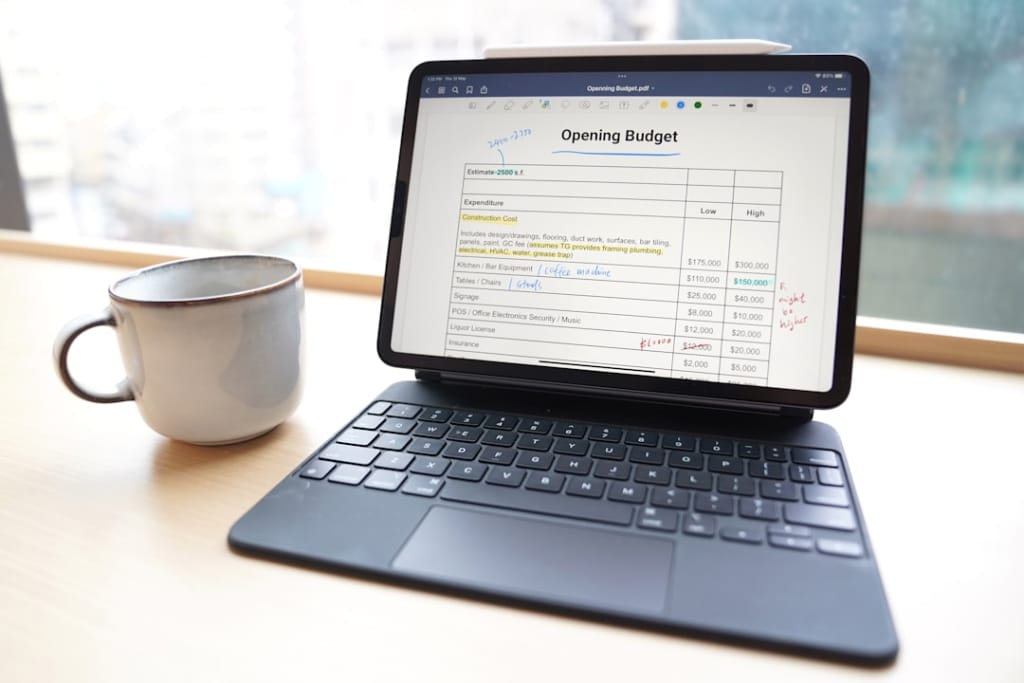
Zero-Based Budgeting (ZBB) revolutionizes how individuals and businesses manage their finances by promoting accountability and strategic allocation of resources. Unlike traditional budgeting methods, ZBB requires you to justify every expense, leading to heightened awareness of spending habits. This approach not only helps in eliminating wasteful expenditures but also empowers you to focus on your financial goals. By mastering financial discipline through ZBB, you can gain control over your budget, ensuring every dollar serves a purpose. Discover the principles, benefits, and steps to create your own zero-based budget as we dive into this effective financial strategy.
Understanding Zero-Based Budgeting Principles

Zero-based budgeting (ZBB) is a financial strategy that starts from a “zero base.” Unlike traditional budgeting—where you adjust previous budgets—ZBB requires you to justify all expenses for each new period. This approach promotes financial discipline and prioritizes spending based on your current needs and goals. Here are the key principles of ZBB:
- Expense Justification: Each budget item must be justified, ensuring no expense is assumed as necessary.
- Goal-Oriented Allocation: Funds are allocated based on specific objectives; every dollar has a purpose.
- Involvement of All Departments: ZBB encourages contributions from various departments or units, enhancing a comprehensive overview of the organization’s financial landscape.
- Flexible Budgeting: The budget adapts to changes in circumstances or priorities, rather than remaining static.
By adopting these principles, you can create a more efficient budget that aligns with your financial goals, ensuring you allocate resources where they matter most.
Benefits of Implementing a Zero-Based Budget
Implementing a Zero-Based Budget (ZBB) offers numerous advantages that can significantly enhance your financial discipline and overall budgeting experience. Here are some key benefits:
- Enhanced Awareness: ZBB requires you to justify every expense, promoting a deeper understanding of your financial habits and priorities.
- Resource Allocation: By starting from zero, you allocate funds based on current needs rather than past expenditures, ensuring that every dollar serves a purpose.
- Cost Control: Regularly reassessing your budget helps identify unnecessary costs and allows you to eliminate or reduce them effectively.
- Flexibility: As your financial situation changes, ZBB adapts quickly to your varying needs, making it easier to adjust for life events.
- Goal Achievement: With a clear view of your financial landscape, you can set realistic goals and track your progress towards achieving them.
In summary, adopting a Zero-Based Budget not only enhances financial awareness but also instills discipline, ultimately leading to improved financial health and goal attainment.
Steps to Create Your Own Zero-Based Budget
Creating a zero-based budget might seem daunting, but following these simple steps can make the process straightforward and effective:
- List All Income Sources: Start by calculating your total monthly income. Include salaries, side hustles, or any other income streams.
- Identify Your Expenses: Categorize your expenses into fixed (rent, utilities) and variable (groceries, entertainment) costs.
- Assign Every Dollar: Allocate every dollar of your income to specific expenses, savings, or debt repayment. Ensure your income minus your expenses equals zero.
- Prioritize Expenses: After assigning your funds, prioritize your needs over wants. Be ruthless—keep only necessary expenditures.
- Adjust as Needed: Life changes, and so should your budget. Review and adjust your budget monthly.
- Track Your Spending: Use budgeting apps or spreadsheets to monitor your expenses against your budget.
- Review Regularly: At the end of each month, review your budget. Identify areas for improvement, and make changes for the next cycle.
By following these steps, you will not only create a sustainable budget but also master financial discipline effectively.
Maintaining Financial Discipline with Regular Review
To ensure your zero-based budget remains effective, regular reviews are essential. These reviews not only help you stay accountable but also allow you to adjust your budget according to changing circumstances. Here are key practices to maintain financial discipline:
- Set a Review Schedule: Choose a specific time each week or month to review your budget. Consistency creates habit.
- Compare and Analyze: Examine your actual spending against your budgeted figures. Identify areas where you overspend or underspend.
- Adjust As Needed: If you find consistent overspending in certain categories, reassess and adjust your budget to reflect realistic priorities.
- Track Progress: Keep a record of your financial goals. This visual representation can motivate you to adhere to your budget.
- Engage Support: Share your budgeting journey with a trusted friend or family member. They can provide encouragement and accountability.
By consistently reviewing your zero-based budget, you establish better financial habits, ensuring not only short-term savings but also long-term financial health. Remember, the aim isn’t perfection but sustained improvement in your financial discipline.
Frequently Asked Questions
What is zero-based budgeting and how does it differ from traditional budgeting?
Zero-based budgeting (ZBB) is a method where you start each budgeting period from a ‘zero base’. This means that every expense must be justified for each new period, rather than simply adjusting the previous year’s budget. Unlike traditional budgeting, which can perpetuate inefficiencies by simply rolling over existing budgets, ZBB encourages a fresh examination of all expenses, allowing for better allocation of resources based on current needs and priorities.
How can I effectively implement zero-based budgeting in my personal finances?
To effectively implement zero-based budgeting in your personal finances, begin by calculating your total monthly income. Next, list all your expenses, including fixed costs like rent and variable costs like groceries. Assign every dollar of your income to these expenses, ensuring that your total expenses equal your total income, effectively yielding zero. This process enables you to prioritize essential expenditures and identify unnecessary spending, fostering a clearer understanding of your financial habits.
What are the benefits of using zero-based budgeting for financial discipline?
Zero-based budgeting promotes financial discipline by fostering accountability and prioritization. It encourages you to closely analyze every expense, which can help eliminate wasteful buying habits and enhance savings. Furthermore, it aligns your spending with your financial goals, offering a clear picture of where your money goes each month, ultimately leading to more informed financial decisions and a stronger control over your financial future.
Are there any challenges associated with zero-based budgeting?
While zero-based budgeting has many advantages, it comes with challenges. The process can be time-consuming, requiring meticulous tracking of expenses and thorough justification for every dollar spent. Additionally, it may be difficult to accurately assess variable expenses that fluctuate, such as utilities and groceries. This method also demands discipline and can be overwhelming for those unaccustomed to detailed financial planning, requiring a commitment to regularly review and adjust the budget.










Comments are closed.