
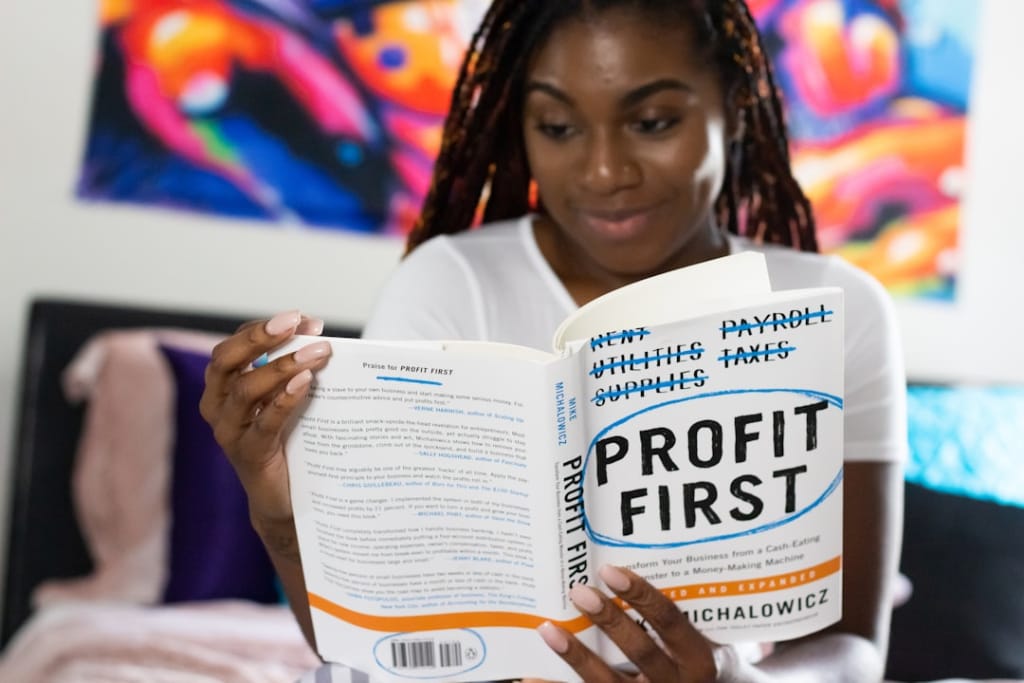
Achieving financial freedom is a goal many aspire to, and it begins with understanding the crucial role of saving more. By adopting effective budgeting techniques and implementing smart spending strategies, individuals can take control of their finances. Additionally, exploring investment opportunities allows for wealth accumulation over time. Ultimately, embracing a lifestyle that prioritizes experiences rather than material possessions leads to a more fulfilling life. This formula—save more, spend wisely, live better—serves as a roadmap to financial empowerment and personal satisfaction.
Understanding the Importance of Saving More

Saving money is a cornerstone of achieving financial freedom. By developing a robust saving habit, you not only prepare for unexpected expenses but also open doors to future opportunities. Here’s why prioritizing saving is crucial:
- Emergency Preparedness: A healthy savings account helps you tackle financial emergencies without stressing about debt.
- Goal Achievement: Savings enable you to fulfill short-term and long-term goals, such as buying a home, funding education, or creating a retirement nest egg.
- Investment Capability: With savings, you can invest in opportunities that generate wealth over time, paving the path for financial independence.
To maximize your savings, consider these strategies:
- Automate Savings: Set up automatic transfers to your savings account to ensure consistent contributions.
- Create a Budget: Track spending to identify unnecessary expenses that can be redirected to your savings.
- Build an Emergency Fund: Aim for three to six months’ worth of living expenses to cushion against unforeseen hardships.
In conclusion, saving more lays the foundation for a stable financial future and empowers you to achieve a better quality of life.
Strategies for Effective Budgeting and Smart Spending
To achieve financial freedom, mastering budgeting and spending habits is essential. Here are some practical strategies to enhance your financial well-being:
- Create a Detailed Budget: Start by tracking your income and expenses. Use categories like housing, food, and entertainment to identify patterns.
- Prioritize Needs Over Wants: Distinguish between essential expenses and discretionary spending. This awareness allows you to make more informed choices.
- Use the 50/30/20 Rule:
- 50% for needs (housing, utilities)
- 30% for wants (dining out, hobbies)
- 20% for savings and debt repayment
- Implement the Envelope System: Allocate cash for different spending categories. Once the envelope is empty, avoid further expenses in that category.
- Plan for Unexpected Costs: Build an emergency fund to cover unpredictable expenses, reducing financial stress in critical situations.
By employing these techniques, you can maximize your savings and make your spending more intentional, ultimately leading to a more secure financial future.
Investing for the Future: Building Wealth Over Time
Investing wisely can significantly impact your financial health and future. Here are key strategies to consider:
- Start Early: The earlier you invest, the more time your money has to grow through compounding interest.
- Diversify Your Portfolio: Spread your investments across various assets (stocks, bonds, real estate) to mitigate risks.
- Understand Your Risk Tolerance: Assess how much risk you can take. Higher potential returns often come with higher risks.
Here is a comparison of common investment options:
| Investment Type | Risk Level | Potential Return | Time Horizon |
|---|---|---|---|
| Stocks | High | 7-10% annually | Long-term (5+ yrs) |
| Bonds | Low to Medium | 3-5% annually | Short to Medium (1-10 yrs) |
| Real Estate | Medium | 6-8% annually | Long-term (5+ yrs) |
| Mutual Funds | Varies | 4-8% annually | Varies |
By focusing on these strategies, you can build a solid financial foundation, enabling you to enjoy the benefits of your investments in the long run.
Living Better: Prioritizing Experiences Over Material Goods
Focusing on experiences rather than material possessions can elevate your quality of life significantly. Embracing this philosophy not only enhances your happiness but also fosters meaningful connections. Here are some compelling reasons to invest in experiences:
- Memories Over Items: Research shows that experiences lead to lasting memories, while material goods quickly lose their novelty.
- Stronger Relationships: Sharing experiences, whether through travel or activities, strengthens bonds with friends and family.
- Personal Growth: Engaging in new experiences fosters self-discovery and personal development.
Comparison of Experiences vs. Material Goods
| Aspect | Experiences | Material Goods |
|---|---|---|
| Longevity | Long-lasting memories | Short-lived satisfaction |
| Connection | Builds relationships | Often isolating |
| Fulfillment | Greater emotional payoff | Temporary happiness |
| Flexibility | Can adapt to interests | Fixed utility |
By prioritizing experiences, you create a life rich with joy and connection. Thus, consider planning your next adventure or activity rather than making another purchase. Ultimately, this shift in mindset fosters not only financial freedom but also enhances your overall well-being.
Frequently Asked Questions
What is the Financial Freedom Formula?
The Financial Freedom Formula is a strategic approach designed to help individuals achieve financial independence by focusing on three key principles: saving more, spending wisely, and living better. This formula emphasizes the importance of creating a budget, prioritizing expenses, and making informed financial decisions to ensure that your money works for you rather than against you. By following this formula, you can develop habits that lead to a sustainable and fulfilling financial future.
How can I start saving more effectively?
To start saving more effectively, begin by assessing your current financial situation. Track your income and expenses to identify areas where you can cut back. Implement the 50/30/20 rule, allocating 50% of your income to necessities, 30% to discretionary spending, and 20% to savings or debt repayment. Consider setting up automatic transfers to your savings account right after you receive your paycheck, which encourages you to save before you spend. Additionally, exploring high-interest savings accounts can help your money grow over time.
What strategies can I use to spend wisely?
Spending wisely involves making intentional choices about where your money goes. Start by creating a detailed budget that reflects your priorities and necessary expenditures. Use tools such as price comparison apps and coupons to find the best deals. Additionally, differentiate between needs and wants to curb impulse buying. Establish a 24-hour rule for non-essential purchases; if you still want the item after a day, consider making the purchase. Regularly review subscriptions and memberships to eliminate those you don’t use.
How does living better relate to financial freedom?
Living better in the context of financial freedom means improving your quality of life through conscientious financial management. It involves creating a lifestyle that aligns with your values and aspirations without being weighed down by debt. By saving effectively and spending wisely, you free up resources that can be used for experiences such as travel, education, or hobbies that enrich your life. Financial freedom empowers individuals to focus on well-being and personal growth, leading to a more fulfilling and balanced life.






Comments are closed.